
Most monetised YouTube creators use royalty-free music.
It’s understandable. Royalty-free libraries are accessible, affordable, and safe. No licensing complexity. No Content ID risk. No legal uncertainty.
But safe doesn’t mean optimal.
In 2024, Lickd analysed 28,000 monetised YouTube channels to understand how music choice impacts content performance. We compared videos using mainstream music to those using royalty-free alternatives.
The results were clear: mainstream music outperforms royalty-free music across every major metric.
The Performance Gap
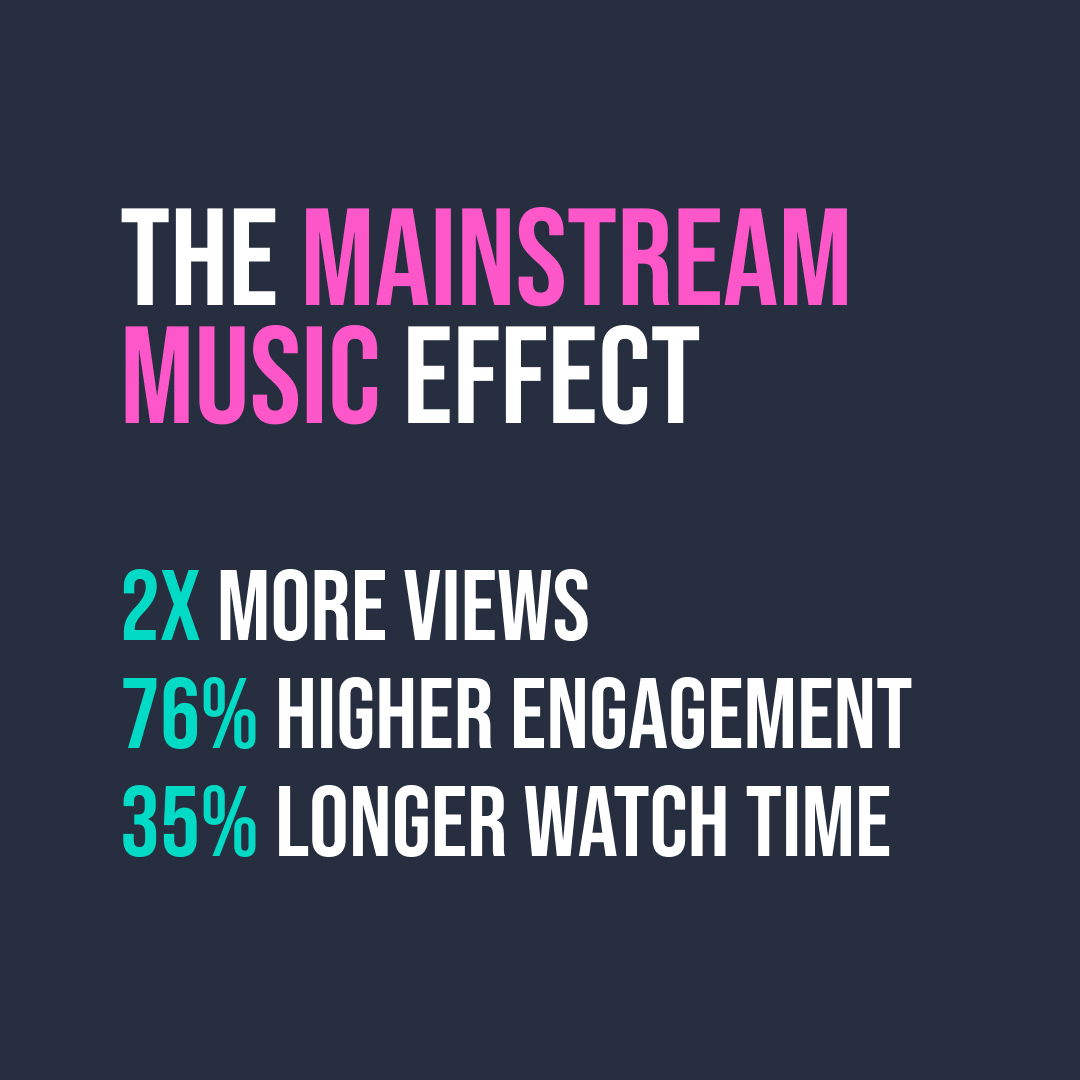
Videos using mainstream, Lickd-licensed tracks showed:
- 2x more views on average compared to royalty-free equivalents
- 76% higher engagement (likes, comments, shares)
- 35% longer watch time
That’s not marginal. That’s the kind of performance difference that compounds over time, turning consistent publishing into sustained channel growth.
Why Mainstream Music Performs Better
The performance gap isn’t random. It’s rooted in how audiences respond to recognisable music versus generic alternatives.
Mainstream tracks do three things royalty-free music can’t:
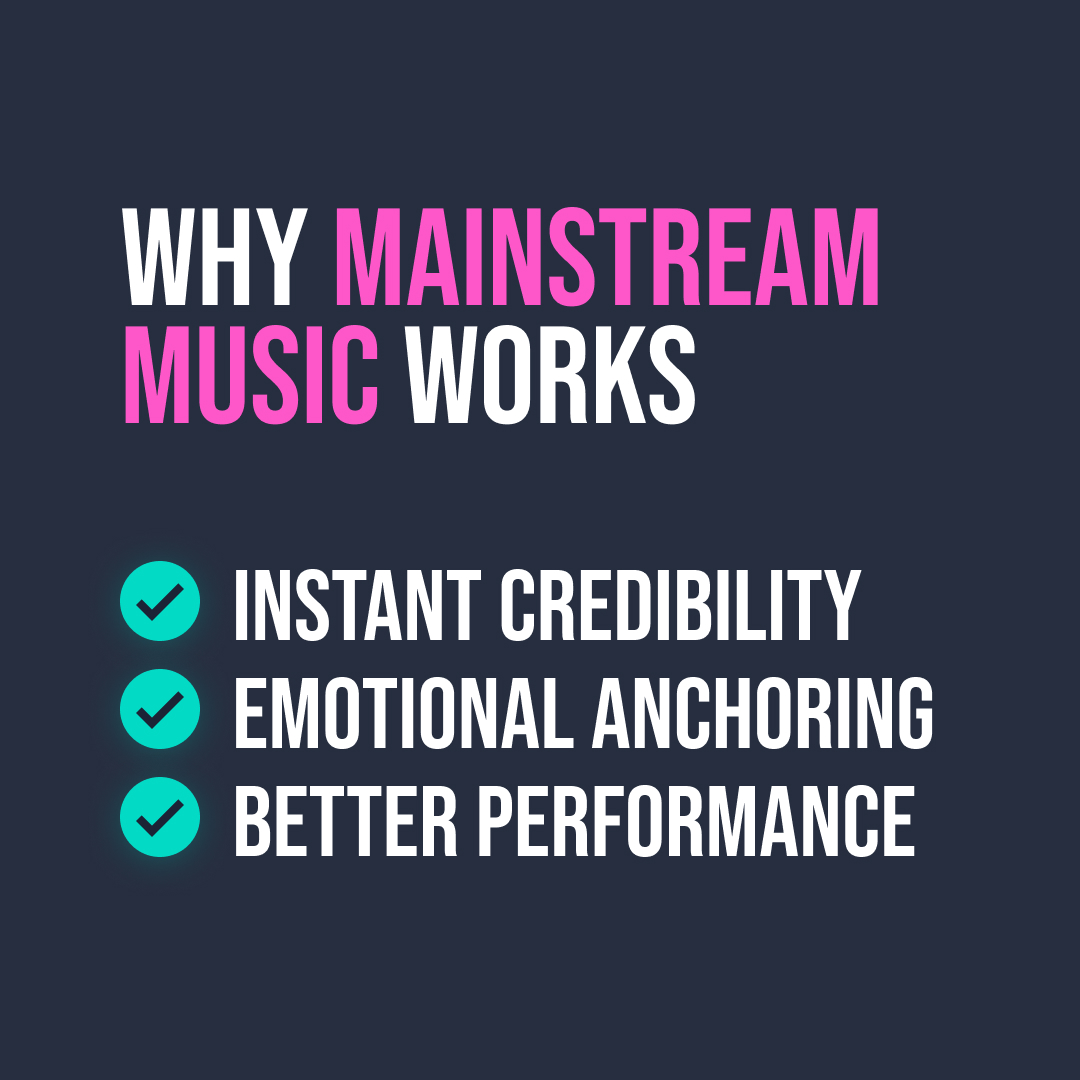
1. Instant Credibility
When audiences hear a song they recognise, they subconsciously associate your content with professional production. That association builds trust, even if the rest of your video setup is simple.
Royalty-free music, by design, doesn’t carry that weight. It’s unfamiliar, which makes it invisible at best and distracting at worst.
2. Emotional Anchoring
Mainstream music triggers pre-existing emotional associations. Your audience already has a relationship with the track, whether they’ve heard it on the radio, in a film, or on another creator’s channel.
That emotional resonance makes your content more immersive. It helps viewers stay locked in, which directly impacts retention.
Royalty-free music can set a mood, but it can’t leverage existing emotional memory. That’s a structural limitation, not a quality issue.
3. Algorithmic Performance
YouTube’s recommendation algorithm prioritises content that keeps viewers watching. Retention and engagement are the two strongest signals.
Mainstream music drives both. Higher watch time tells the algorithm your content is worth promoting. More engagement (likes, comments, shares) reinforces that signal.
Royalty-free music doesn’t hurt your algorithmic performance, but it doesn’t help it either. Mainstream music actively improves it.
The Licensing Barrier (and Why It’s Gone)
If mainstream music performs better, why don’t more creators use it?
The answer is simple: licensing.
Traditional music licensing was built for production studios, film projects, and advertising agencies. It’s expensive, legally complex, and incompatible with the speed and volume of YouTube publishing.
For years, that meant mainstream music was effectively off-limits to independent creators. The risk of Content ID claims, demonetisation, or copyright strikes outweighed the performance benefits.
That barrier doesn’t exist anymore.
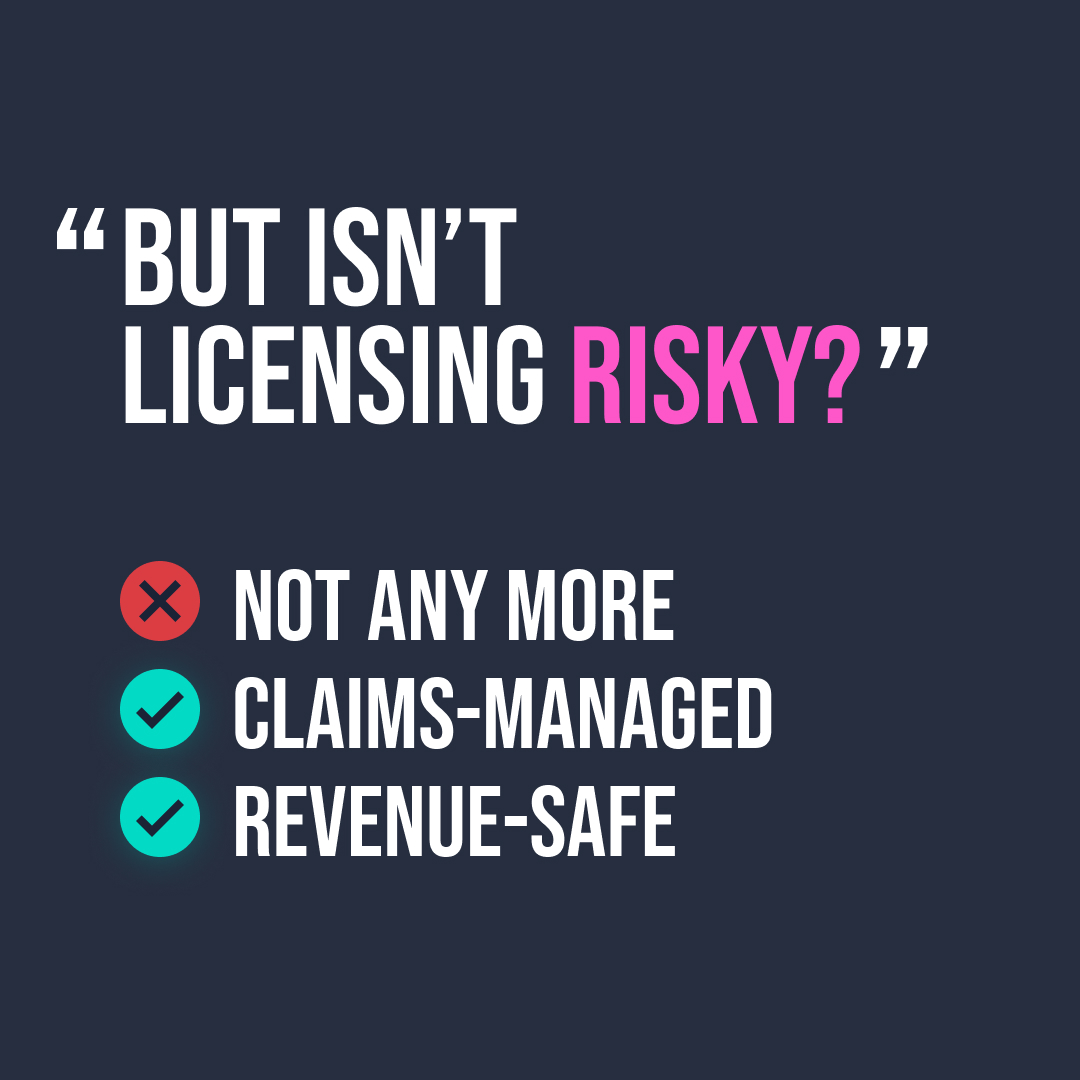
Lickd solves the licensing problem by pre-clearing every track in our library. Every song is licensed directly with rights holders before it reaches creators. That means:
- No Content ID surprises. Claims are managed by Lickd, not you.
- No demonetisation risk. Your revenue stays protected.
- No manual disputes. If a claim appears, we handle it.
The result is simple: you get the performance benefits of mainstream music without any of the traditional risks.
When Royalty-Free Still Makes Sense
This isn’t a blanket dismissal of royalty-free libraries. There are valid use cases:
- High-volume publishing where music isn’t the primary driver of retention (e.g., daily vlogs, ambient background content)
- Budget constraints for channels under 1,000 subscribers who aren’t yet monetised
- Background ambience where recognisability doesn’t add value (e.g., study music, white noise content)
But if you’re running a monetised channel, treating YouTube as a business, and investing in production quality, mainstream music is a performance lever you can’t afford to ignore.
What YouTube Creators Are Already Doing
The shift is already happening. Creators across verticals, from tech reviews to travel vlogs to finance explainers, are licensing mainstream tracks and seeing measurable results.
Growingannanas, a lifestyle creator with 8m+ subscribers, saw a 35% increase in watch time after switching to Lickd-licensed music. TwoSync, a gaming creator with 1.6m+ subscribers, reported a 23% boost in views on videos featuring mainstream tracks.
These aren’t anomalies. They’re patterns. Mainstream music drives performance. Claims-managed licensing protects revenue.
How to Make the Switch
If you’re ready to move beyond royalty-free music, here’s how to start:
**Step 1: Identify your highest-performing content**
Look at your analytics. Which videos have the best retention and engagement? Those are the formats where mainstream music will have the biggest impact.
**Step 2: Choose tracks strategically**
Don’t just pick songs you like. Match tracks to the emotional arc of your content. High-energy moments need high-tempo music. Reflective sections need space. The soundtrack should mirror the story.
**Step 3: Protect your revenue**
Never publish with unlicensed music. Content ID claims can demonetise your video instantly. Lickd-licensed tracks are claims-managed, so your channel stays protected while your content performs.
The Data Is Clear
Royalty-free music is safe. But it’s also generic, forgettable, and measurably underperforming.
Mainstream music drives views, engagement, and watch time. And with Lickd, it’s as safe as royalty-free, with none of the performance trade-offs.
The barrier is gone. The only question is whether you’re willing to make the switch.
Mainstream music, licensed by Lickd.
